Short Surahs for Kids: 12 Surahs in the Best Order to Memorise
Memorising the Quran usually begins with a handful of short surahs — and the order you choose makes a real difference. Start with the right ones and your child gains confidence quickly, has something to recite in salah, and builds a memorisation habit that can grow for years.
This guide lists the best short surahs for kids in a sensible learning order, explains what each one is about in child-friendly words, and shares practical techniques to help the verses stay in your child’s memory long after they have learned them.
Why short surahs matter so much
The Prophet ﷺ said: “The best of you are those who learn the Quran and teach it” (Sahih al-Bukhari 5027). Teaching your child even a few short surahs is part of that honour.
Short surahs also have a very practical purpose: they are what children recite in their daily prayers after Al-Fatiha. A child who knows five or six short surahs can pray complete, varied prayers. And because these surahs are short, children experience the joy of finishing something — which is the best motivation to keep going.
The best order to memorise short surahs for kids
Most teachers begin with Al-Fatiha and then work backwards from the end of the Quran, because the final surahs of Juz ‘Amma (the 30th part) are the shortest. Here is a tried-and-tested order for young children:
- Surah Al-Fatiha (1) — 7 verses. “The Opening.” Always first, because no prayer is complete without it (Sahih al-Bukhari 756). It praises Allah and asks Him to guide us to the straight path.
- Surah Al-Ikhlas (112) — 4 verses. “Sincerity.” Teaches that Allah is One, with no partner or equal. The Prophet ﷺ said it is equal to a third of the Quran (Sahih al-Bukhari 5013).
- Surah Al-Falaq (113) — 5 verses. “The Daybreak.” A prayer for Allah’s protection from harm and evil.
- Surah An-Nas (114) — 6 verses. “Mankind.” Seeking Allah’s protection from the whispers of Shaytan.
- Surah Al-Kawthar (108) — 3 verses. The shortest surah in the Quran, about the abundant good Allah gave the Prophet ﷺ.
- Surah Al-‘Asr (103) — 3 verses. “Time.” A powerful reminder to use our time well, believe, do good and encourage truth and patience.
- Surah An-Nasr (110) — 3 verses. “The Help.” About the victory Allah gives and turning to Him in praise and forgiveness.
- Surah Al-Kafirun (109) — 6 verses. “The Disbelievers.” A clear statement of a Muslim’s faith. Its repeating pattern makes it easy for children to learn.
- Surah Quraysh (106) — 4 verses. About Allah’s blessings of food and safety, and thanking Him by worshipping Him.
- Surah Al-Ma’un (107) — 7 verses. “Small Kindnesses.” Teaches caring for orphans, feeding the poor and praying sincerely.
- Surah Al-Fil (105) — 5 verses. “The Elephant.” The story of how Allah protected the Ka’bah from Abrahah’s army — children love this one.
- Surah Al-Masad (111) — 5 verses. About Abu Lahab and his wife, and the consequences of opposing the truth.
Once your child is confident with these twelve, the natural next steps are Al-Humazah (104), At-Takathur (102), Az-Zalzalah (99), Al-‘Adiyat (100) and Al-Qari’ah (101) — slightly longer surahs that complete the end of Juz ‘Amma.
Bonus: Ayat al-Kursi
Although it is a single verse rather than a surah (Surah Al-Baqarah, 2:255), Ayat al-Kursi is one of the most valuable things a child can memorise. The Prophet ﷺ taught that whoever recites it before sleeping remains under Allah’s protection through the night (Sahih al-Bukhari 2311). Many families add it to the bedtime routine once their child knows the first few short surahs.
How many surahs can a child memorise — and how fast?
There is no race. As a rough guide:
- Ages 3–5: one short surah every two to four weeks, learned by listening and repeating.
- Ages 6–8: one to two verses a day is realistic, so a short surah every week or two.
- Ages 9+: children who can read Arabic often learn much faster, especially with a structured Hifz programme.
Consistency beats speed. Ten minutes a day, every day, will achieve far more than an hour once a week.
7 techniques to help kids memorise short surahs
1. Listen before you learn
Play a clear, slow recitation of the surah in the car, at breakfast and at bedtime for a few days before memorising begins. The sounds become familiar, and learning feels easy.
2. One verse at a time
Teach one verse, repeat it until it is solid, then add the next verse and recite both together. This “chaining” method builds strong links between verses.
3. Repeat at spaced intervals
Review a new surah the same day, the next day, three days later and a week later. Spaced repetition is the most reliable way to move verses into long-term memory.
4. Use it in salah straight away
The moment your child knows a surah, encourage them to recite it in their prayers. Using a surah daily is the best revision there is. Our guide on how to teach a child to pray explains how to build that prayer routine.
5. Explain the meaning
Children remember what they understand. Tell the story of the elephant before teaching Surah Al-Fil, or talk about wasting time before Surah Al-‘Asr.
6. Get the pronunciation right from the start
It is much easier to learn a verse correctly than to fix a mistake later. A teacher who knows Tajweed can catch errors early, especially with letters that do not exist in English.
7. Celebrate milestones
Mark each completed surah with praise, a small treat or a special “recital” for grandparents. Make finishing a surah feel like the achievement it is.
Common mistakes to avoid
- Moving on too quickly. A surah that is only half-learned will be forgotten. Make sure it is fluent before adding a new one.
- Never revising old surahs. Build a weekly review of everything learned so far.
- Memorising from transliteration only. It is a helpful bridge for very young children, but it can lock in mispronunciations. Aim to learn the Arabic letters alongside, for example with the Noorani Qaida.
- Making it a battle. If memorising becomes a source of stress, take a short break and return with a fun, low-pressure approach.
Getting support
Many parents can teach the first few surahs at home, and that time together is precious. But as surahs get longer, a teacher who can listen, correct and keep your child motivated makes a big difference.
Our online Quran classes for kids are one-to-one with Al-Azhar certified teachers, with a personal memorisation plan for each child. You can book a free trial lesson to see how it works — no card required.
FAQ:
Which surah should a child learn first?
Surah Al-Fatiha should be learned first, because it is recited in every unit of every prayer and no prayer is complete without it. After that, most teachers begin with the short surahs at the end of the Quran, starting with Al-Ikhlas, Al-Falaq and An-Nas.
What is the shortest surah in the Quran?
Surah Al-Kawthar (chapter 108) is the shortest surah, with just three short verses. Al-‘Asr and An-Nasr also have three verses each, which makes all three ideal early surahs for children.
At what age can a child start memorising the Quran?
Children can begin by listening and repeating short surahs from as young as three. Structured memorisation usually works well from around five or six, once children can concentrate for ten to fifteen minutes. Many children begin a full Hifz programme between seven and ten.
How can I help my child remember the short surahs they have learned?
Use them daily in salah, review old surahs every week, listen to recitations regularly and space out revision over days and weeks. Understanding the meaning of each surah also makes it much easier to remember.
Which short surahs should be recited before sleeping?
The Prophet ﷺ would recite Al-Ikhlas, Al-Falaq and An-Nas before sleeping, blow into his hands and wipe over his body (Sahih al-Bukhari 5017). Reciting Ayat al-Kursi before sleep is also an authentic Sunnah, making these a beautiful bedtime routine for children.
Quran Memorization Course (Hifz)
Memorize the Quran with a structured, honest programme built for real life — not empty promises. Our online Hifz course pairs you one-to-one with a qualified Hafiz tutor and follows the classical Sabaq, Sabqi and Manzil system that has produced Huffaz for generations. Start with Juz Amma or aim for the complete Quran. Your pace, your plan
Online Quran Classes for Kids
Give your child a calm, confident start with the Quran — from their very first Arabic letter to reading and reciting with Tajweed Our online Quran classes for kids are one to one, taught by patient tutors who specialise in teaching children, and built around your family’s schedule Perfect for absolute beginners, non Arabic speakers, and children learning at home anywhere in the world
Tajweed Classes Online
Recite the Quran the way it was meant to be recited Our Tajweed classes online take you from correct pronunciation of every letter to applying the full rules of recitation across the entire Quran. Live one to one lessons with patient, qualified tutors — whether you’re starting from zero or fixing habits you’ve had for years
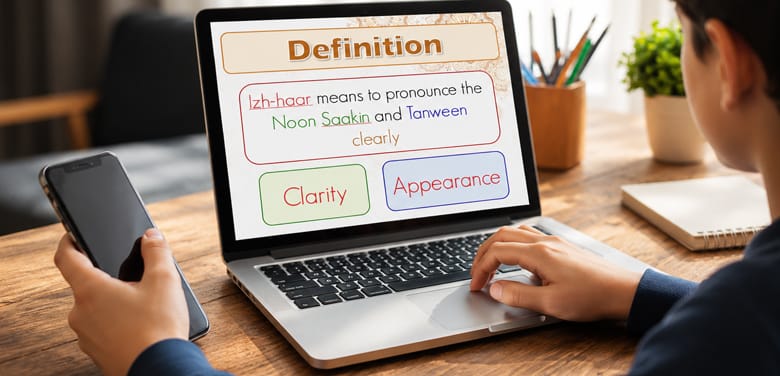
Explore Our Articles
Daily Duas for Kids: 12 Short Duas with Meanings (and How to Teach Them)
12 short, authentic duas for kids with Arabic, transliteration, meaning and source — for eating, sleeping, waking, leaving home and…
Start Reading
How to Teach a Child to Pray: A Gentle 4-Stage Guide by Age
How to teach a child to pray (salah) gently, step by step: what the Sunnah says, what to teach at…
Start Reading
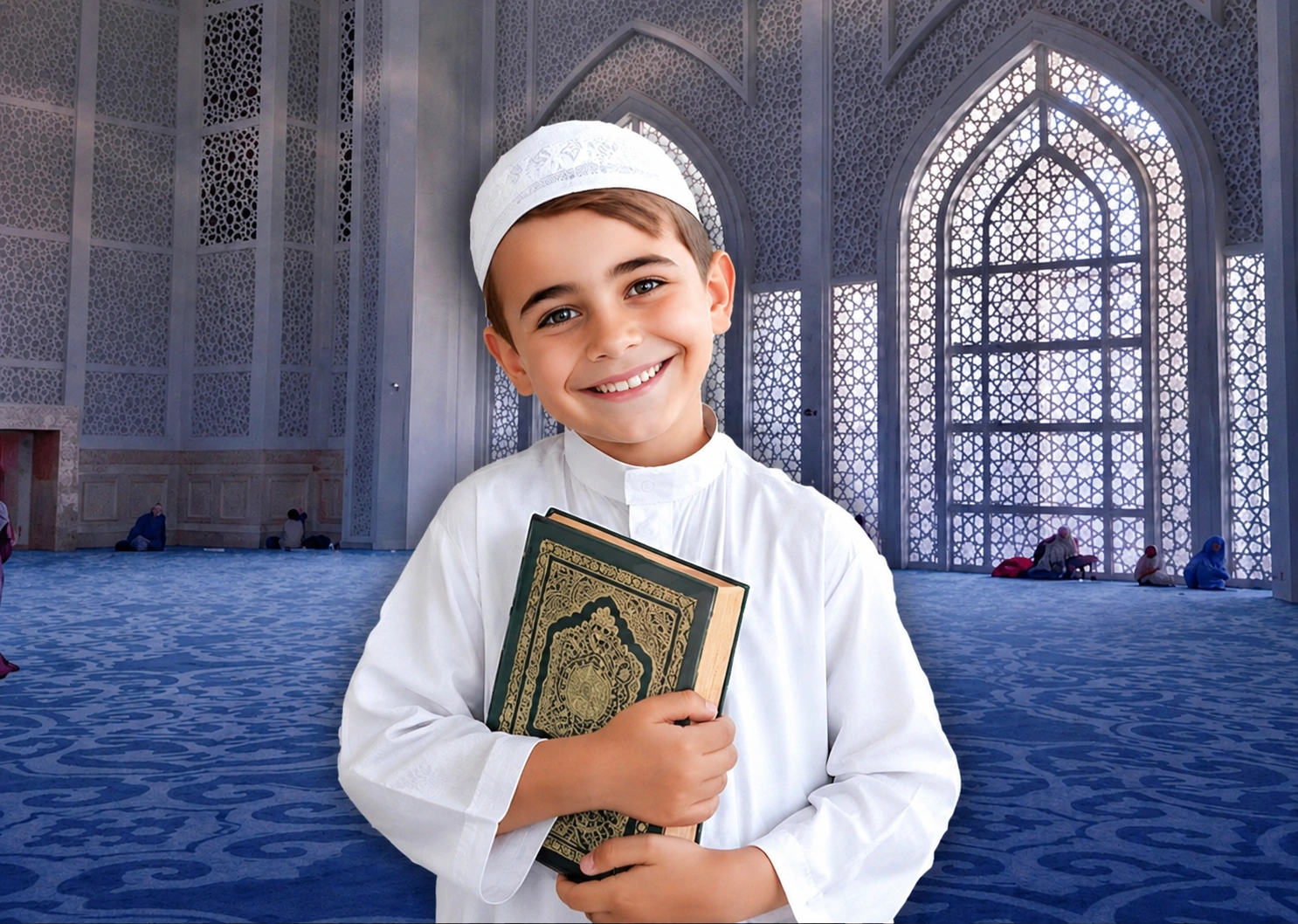
How to Learn Islam for Beginners: A Roadmap Through the Islamic Sciences
Start Reading