I want to understand my own religion properly and I don’t know where to start.Maybe you’re a revert with the whole tradition in front of you Maybe you were raised Muslim but your knowledge is a patchwork of Friday khutbahs, half remembered lessons, and YouTube videos.
Either way, the problem isn’t a lack of information there’s more Islamic content online than any human could watch in a lifetime. The problem is the opposite: too much, unstructured, with no clear order. This guide fixes that.
It’s a roadmap for how to learn Islam for beginners not a random list of tips, but the actual sequence the Islamic tradition has used for over a thousand years.
Why “just watch more videos” doesn’t work
Let’s start with the honest reason so many people feel stuck. Scattered learning — a lecture here, an article there, a reel on your feed — gives you information, but not knowledge. You end up with strong opinions on advanced, disputed topics while missing the foundations underneath them.
Islamic scholarship has always been transmitted in a deliberate order, where each layer rests on the one below it.
Skip the order and everything feels shaky you know a lot of disconnected facts but can’t see how they fit together.
The single most useful thing a beginner can do is stop consuming randomly and start following a structured path.
First, know which beginner you are
“Learning Islam” means different things depending on where you’re starting, so aim your effort at the right target:
- The revert / new Muslim: your first priority is the essentials of belief and worship — how to pray, what you believe, and the basics of daily practice. Depth comes later.
- The born Muslim relearning: you can pray and you know the basics, but your understanding is scattered. Your priority is structure — connecting what you already know into a coherent whole.
- The knowledge-seeker: you have the foundations and want genuine depth across the Islamic sciences. Your priority is a serious, sequenced curriculum.
All three follow the same roadmap below — they just start at different points and go to different depths.
The roadmap: the order to actually learn in
Here is the sequence the tradition follows. Learn in this order and each stage makes the next one easier.
Step 1 — Belief (Aqeedah)
Everything begins with what you believe. Aqeedah is the science of Islamic creed: the Oneness of Allah (Tawheed), His names and attributes, the six articles of faith (belief in Allah, His angels, His books, His messengers, the Last Day, and divine decree). Before learning how to worship, you need to know who you’re worshipping. This is the foundation the whole structure stands on — and the stage most scattered learners skip.
Step 2 — Practice (Fiqh of worship)
Once belief is in place, you learn how to live it. Fiqh is Islamic jurisprudence — the practical rulings of worship and daily life. For a beginner, this means the essentials first: purification (wudu), prayer (salah), fasting, zakat, and hajj. This is the stage that turns faith into daily action. Start with what you’ll use every single day — prayer above all.
Step 3 — The Book (Quran and its meaning)
The Quran is the primary source of everything above. Learning to read it comes first; understanding it comes next. Reading a reliable translation, then studying Tafseer (the scholarly interpretation of verses — their meaning, context, and application), transforms the Quran from words you recite into guidance you understand. Beginners do well to start with the short, most-recited surahs before working toward the longer chapters.
Step 4 — The Messenger (Seerah and Hadith)
You cannot understand the Quran or practise Islam without the Prophet Muhammad ﷺ. His life — the Seerah — is the living example of the Quran in action, and it supplies the context (Asbab an-Nuzul) behind much of what was revealed. Alongside it, Hadith — his recorded sayings and actions — form the second source of Islamic guidance after the Quran. Studying the Seerah is also, for most people, the fastest route to actually loving the Prophet ﷺ, which is the heart of the faith. A structured Seerah course walks you through his life chronologically, from his birth in Mecca to his final sermon.
Step 5 — Character (Akhlaq and Tazkiyah)
The final stage — and the one all the others exist to serve — is the transformation of character. Akhlaq (Islamic ethics) and Tazkiyah (purification of the soul) turn knowledge into a way of being: sincerity, patience, humility, gratitude, and the removal of the diseases of the heart. Knowledge that doesn’t change how you live has missed its purpose.
How the sciences fit together
Think of it as a pyramid. Aqeedah is the base. Fiqh sits on it — you worship what you believe in. The Quran and Hadith are the evidence beneath Fiqh — where the rulings come from. Seerah shows all of it lived out by a real person in real circumstances. And Akhlaq sits at the peak, because refining character is the goal of the whole climb.
You don’t master one before touching the next — they grow together. But knowing the structure stops you from feeling lost, and stops you from arguing about advanced Fiqh disputes before you’ve understood basic Tawheed.
Practical habits that make it stick
- Consistency over intensity. Fifteen focused minutes a day beats a three-hour binge once a month. Small, regular study is how knowledge actually settles.
- Learn from qualified, reliable sources. The internet is full of confident but unreliable voices. Anchor your learning in recognised scholarship and classical texts, not whoever the algorithm serves you.
- Follow one structured path at a time. Jumping between ten teachers and five topics keeps you a permanent beginner. Pick a sequence and stay on it.
- Pair reading with a teacher. Books and videos inform; a teacher corrects, answers your specific questions, and keeps you accountable. This is why Islamic knowledge has always been transmitted teacher-to-student.
- Be patient with yourself. This is a lifelong journey, not a checklist to finish. Depth comes in years, not weeks.
Self-study vs a structured course — which is right for you?
Self-study is a wonderful supplement, and you can go a long way with good books and reliable lectures. But most beginners hit the same wall: without structure, they drift back into scattered consumption, and without a teacher, they can’t tell whether what they’ve understood is actually correct.
A structured programme solves both problems. It gives you the sequence — Aqeedah, then Fiqh, then the Book, then the Messenger, then character — and a qualified teacher who answers your questions and corrects misunderstandings before they take root. If you’ve spent years watching lectures and still feel your knowledge is a patchwork, this is exactly the gap a structured course closes. Our Islamic Studies course covers all the sciences above — Aqeedah, Fiqh, Hadith, Tafseer, Seerah, and character — in one integrated, sequenced curriculum, with three tracks so you can start at your real level and go as deep as you choose.
Your first practical steps this week
Don’t wait for the “perfect” moment. Here’s where to begin right now:
- Learn or refine your prayer — it’s the daily practice everything else supports.
- Read a short surah with a reliable translation, and look up its meaning.
- Read the first chapter of a well-regarded Seerah book, or take a single introductory lesson on the Prophet’s ﷺ life.
- Pick one qualified teacher or one structured course — and commit to it instead of collecting ten.
Learning Islam properly isn’t about knowing everything quickly. It’s about starting in the right place, in the right order, with the right guidance — and then being consistent. Whether you’re a revert taking your first steps or a lifelong Muslim finally connecting the pieces, a structured path turns an overwhelming subject into a clear, rewarding journey. A free trial lesson is a simple, no-pressure way to see what that structured path looks like for you.
FAQ:
How should a complete beginner start learning Islam?
Start with the essentials in order: basic belief (Aqeedah) — who Allah is and the articles of faith — then practical worship, especially how to pray. From there, read the Quran with a translation, study the life of the Prophet Muhammad ﷺ (Seerah), and work on character. The key is following a structured sequence rather than consuming scattered content, and pairing reading with a qualified teacher.
What are Aqeedah, Fiqh, Hadith, and Tafseer?
They are the core Islamic sciences. Aqeedah is Islamic creed — what you believe (Tawheed, the six articles of faith). Fiqh is jurisprudence — how you worship and live (prayer, fasting, zakat, and more). Hadith are the recorded sayings and actions of the Prophet Muhammad ﷺ. Tafseer is the scholarly interpretation of the Quran — the meaning and context of verses. Together with Seerah (the Prophet’s biography), they form the full curriculum of Islamic study.
Can I learn Islam on my own, or do I need a teacher?
You can learn a great deal on your own with reliable books and lectures — but most beginners eventually hit two problems: they drift into scattered, unstructured consumption, and they can’t verify whether what they’ve understood is correct. A qualified teacher provides sequence, answers your specific questions, and corrects misunderstandings early. The strongest approach combines self-study with structured, guided learning.
What’s the best way to learn Islam as a revert?
As a revert, prioritise the essentials first: how to pray, the basics of belief, and simple daily practice — depth can wait. Read the Quran in translation, learn the life of the Prophet ﷺ, and connect with a supportive community or a patient teacher. Avoid jumping into advanced or disputed topics early; build the foundation first, then grow steadily. Consistency matters far more than speed.
How long does it take to learn Islam?
Learning the essentials — how to pray, core beliefs, basic practice — takes weeks to a few months of consistent effort. Building genuine breadth across the Islamic sciences takes a year or more of structured study. Real depth is a lifelong journey; even scholars describe themselves as lifelong students. The goal isn’t to “finish,” but to keep growing steadily in knowledge and character.
Seerah Course Online
The most complete human life ever documented — studied properly, chronologically, from the classical sources. Our Seerah course online guides you through the life of Prophet Muhammad ﷺ from his birth in Mecca to his final sermon at Arafat, in live one-to-one sessions rooted in Ibn Hisham, Ibn Ishaq, and the works Muslim scholars have relied on for centuries. Not scattered videos. Not surface storytelling. The full journey — with the lessons that make it change how you live.
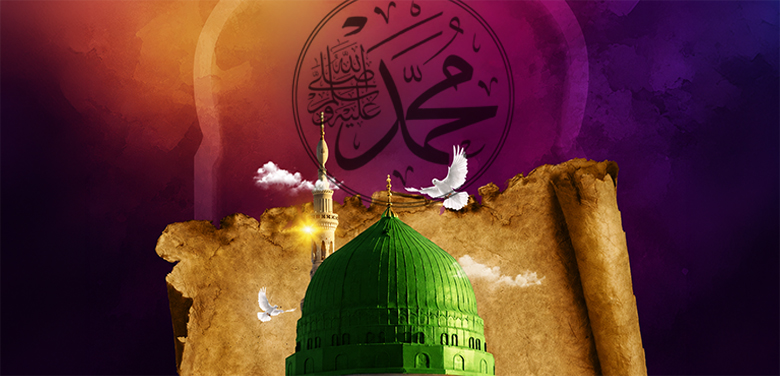
Learn Islamic Studies Online
The full curriculum of the Islamic sciences — under one structured programme. Our Islamic Studies course covers Aqeedah (creed), Fiqh (jurisprudence), Hadith (Prophetic traditions), Tafseer (Quranic exegesis), Seerah (Prophet’s biography), Tazkiyah (spiritual purification), and the biographies of the Sahabah. Live one-to-one lessons with qualified scholars. Three progressive tracks — Foundation, Comprehensive, and Scholar — so you go as deep as you decide. No scattered YouTube. No random khutbah snippets. Islamic knowledge, structured the way scholars have transmitted it for 1,400 years.